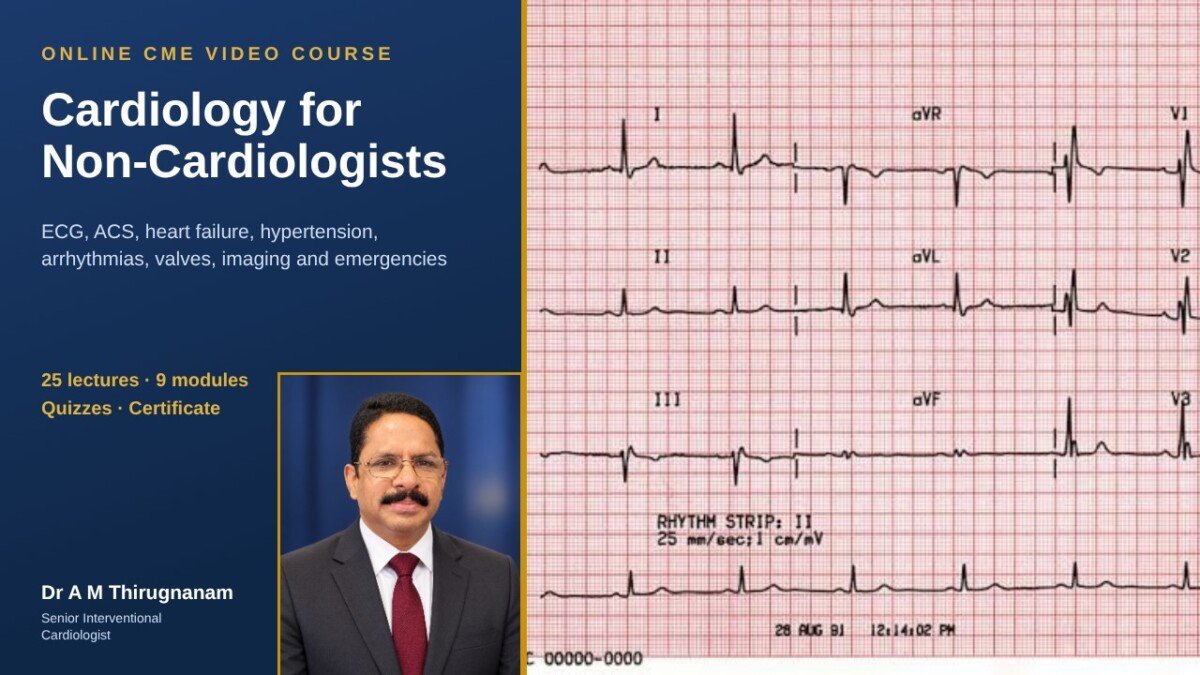
Cardiology for Non-Cardiologists is a four-hour online CME video course for every doctor who sees heart disease but does not practise cardiology full time: general physicians and family doctors, emergency and critical care doctors, anaesthetists, surgeons, obstetricians, nurse practitioners, residents and medical students. In 25 narrated lectures across 9 modules, Dr A M Thirugnanam, Senior Interventional Cardiologist, teaches you to recognise danger early, start the right first treatment, and refer in time.
Why this cardiology course for non-cardiologists matters
Most heart attacks, heart failure admissions, strokes from atrial fibrillation and hypertensive emergencies are first seen by a non-cardiologist. The decisions taken in the first hour, recording an ECG within ten minutes, recognising an occlusion MI that does not meet the classic STEMI criteria, starting the four pillars of heart failure therapy, dosing a DOAC correctly, or thinking of aortic dissection before giving an anticoagulant, decide outcomes. This course gives you a practical, guideline-based framework for each of these moments.
What you will learn
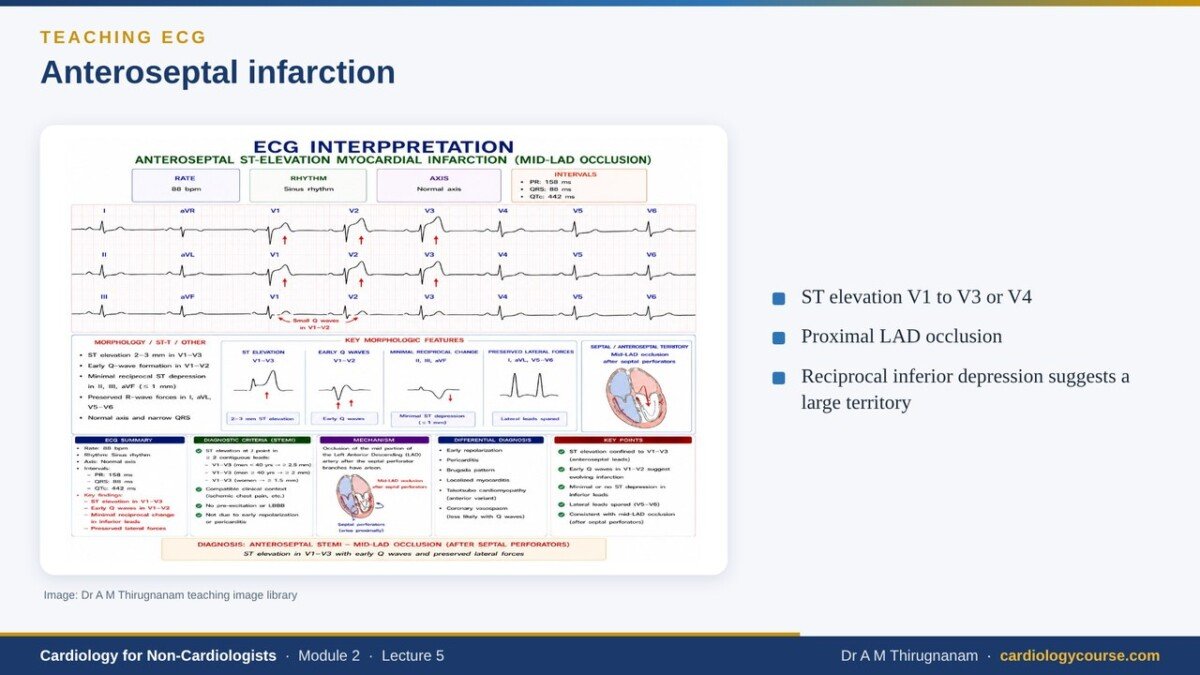
- Read any 12-lead ECG with an eight-step routine, and recognise STEMI, posterior MI, de Winter T waves, Sgarbossa-positive LBBB and the common STEMI mimics
- Classify chest pain, use the high-sensitivity troponin 0/1-hour algorithm, and choose primary PCI or fibrinolysis correctly
- Prescribe secondary prevention after MI: DAPT duration, LDL targets below 55 mg/dL, and the new beta-blocker evidence (REDUCE-AMI, REBOOT, ABYSS)
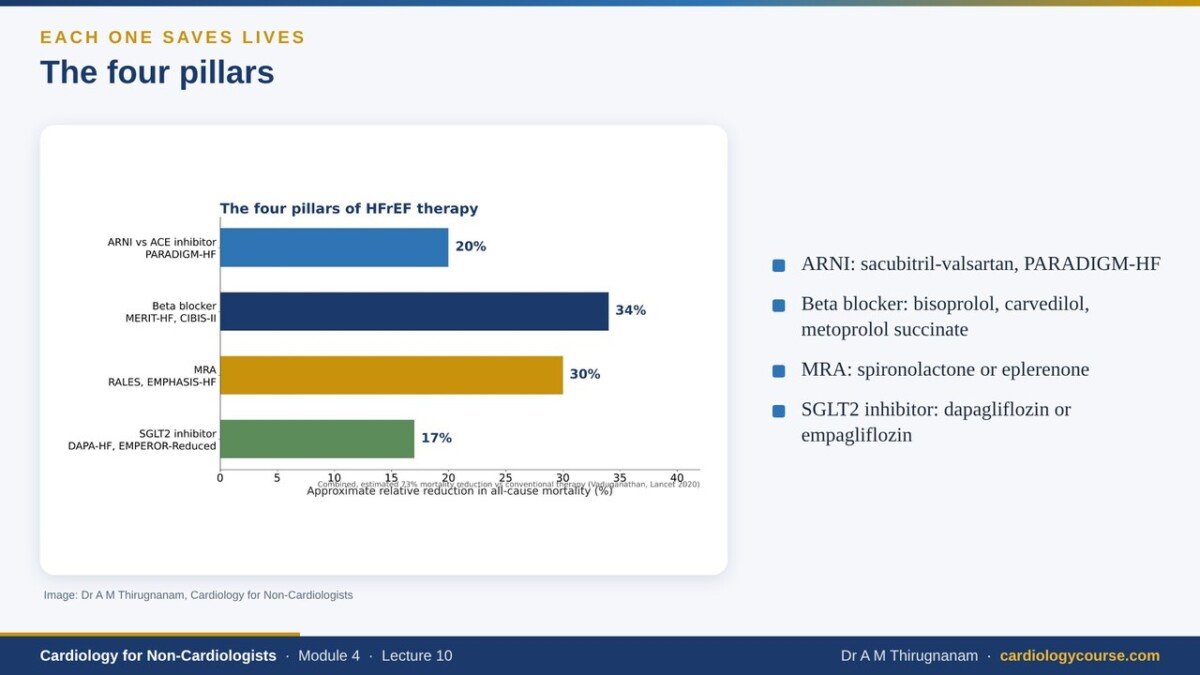
- Diagnose heart failure with natriuretic peptides and echo, and start the four pillars rapidly (PARADIGM-HF, DAPA-HF, STRONG-HF)
- Treat hypertension to 2025 AHA/ACC and 2024 ESC targets with single-pill combinations, and manage emergencies and resistant hypertension
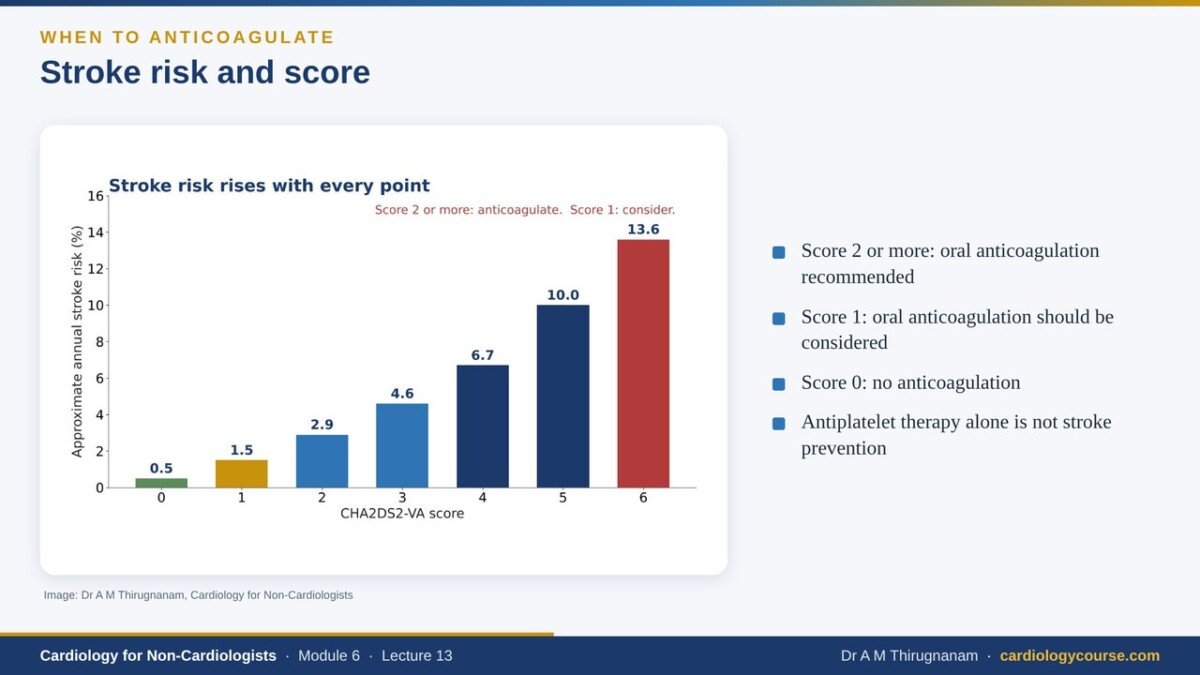
- Prevent stroke in atrial fibrillation with CHA2DS2-VA and correctly dosed DOACs, and manage SVT, VT, VF, torsades and heart block
- Recognise aortic stenosis, mitral disease, prosthetic valve complications, cardiomyopathies, tamponade, aortic dissection and endocarditis
- Manage cardiac arrest, cardiogenic shock and pulmonary embolism, and adapt care in pregnancy, frailty, kidney disease and surgery
Course curriculum: 9 modules, 25 video lectures
- Module 1: Foundations of the Heart – The Heart's Architecture; Conduction and the Cardiac Cycle; The Cardiovascular History and Examination
- Module 2: The ECG Made Simple – A Systematic Approach to Every ECG; Critical ECG Patterns
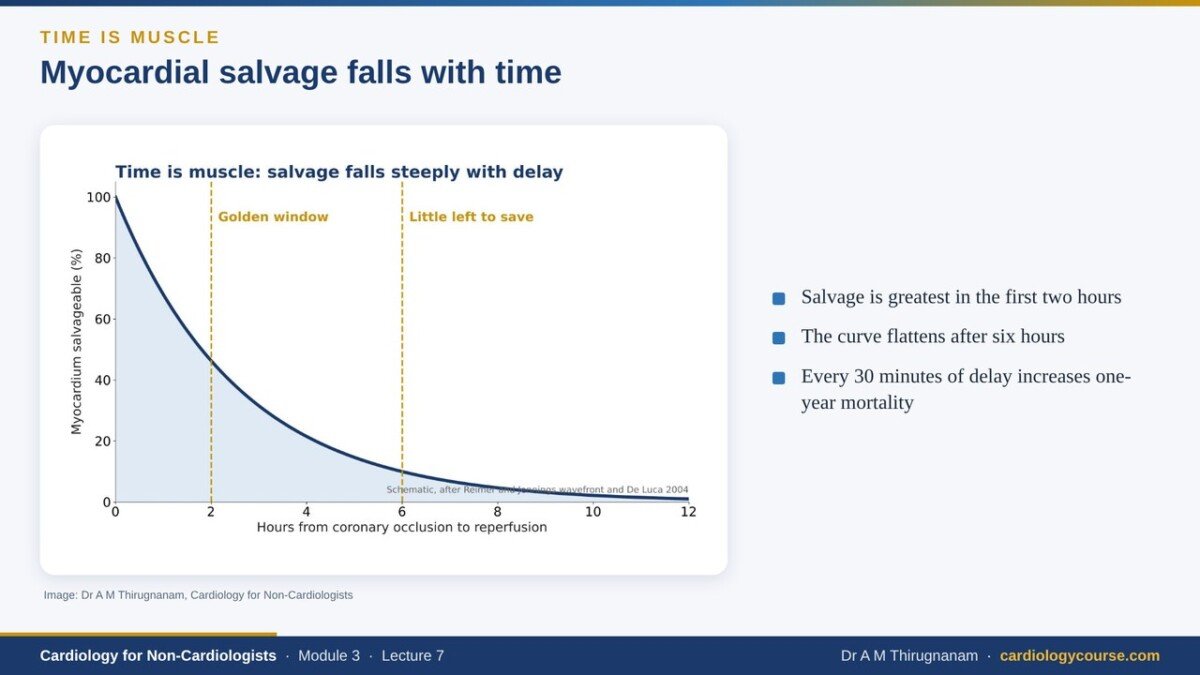
- Module 3: Coronary Artery Disease and ACS – Atherosclerosis, Stable Angina and ACS; STEMI: Time Is Muscle; After the Heart Attack
- Module 4: Heart Failure – Defining and Diagnosing Heart Failure; The Four Pillars and Acute Heart Failure
- Module 5: Hypertension – Hypertension: Classification and Therapy; Hypertensive Emergencies and Resistant Hypertension
- Module 6: Arrhythmias – Atrial Fibrillation; SVT, VT and VF; Bradyarrhythmias and Heart Block
- Module 7: Valves and Cardiac Imaging – Aortic Stenosis and Mitral Valve Disease; Prosthetic Valves and Anticoagulation; Choosing the Right Cardiac Imaging Test
- Module 8: Myocardium, Pericardium, Aorta and Infection – Cardiomyopathies; Pericardial Disease; Aortic Syndromes and Aneurysm; Infective Endocarditis and Myocarditis
- Module 9: Drugs, Emergencies and Referral – Essential Cardiovascular Drugs; Cardiac Arrest, Cardiogenic Shock and Pulmonary Embolism; Special Populations and When to Refer
What is included
- 25 narrated HD video lectures (about 4 hours) with real ECGs, echocardiograms, teaching illustrations and clinical charts
- Nine downloadable module handout PDFs plus a quick-reference guide to ECG, echo and haemodynamic normal values
- Nine module quizzes (100 questions) with explanations
- A 40-question clinical final examination
- An Academy of Elite Doctors certificate of completion when you pass the final exam (70% or more)
- English captions and lifetime access
Who this course is for
General physicians, internists and family doctors; emergency, critical care and anaesthesia doctors; surgeons, obstetricians and other specialists who look after patients with heart disease; nurse practitioners and physician associates; and residents and medical students preparing for clinical practice and examinations.
Frequently asked questions
Do I need any cardiology background?
No. The course starts from cardiac anatomy and the ECG and builds to emergency management. Students and practising doctors alike will benefit.
Do I get a certificate?
Yes. Pass the final examination with 70% or more and you can download and print an Academy of Elite Doctors certificate of completion, verifiable on this site.
Is the content up to date?
Yes. Lectures follow the 2024 ESC atrial fibrillation and hypertension guidelines, the 2025 AHA/ACC hypertension guideline, the 2023 ESC cardiomyopathy and endocarditis guidelines and current heart failure guidance, and cite the landmark trials by name.
How long do I have access?
Lifetime access. Watch at your own pace on any device.
Who narrates the lectures?
The lectures are written by Dr A M Thirugnanam and narrated with an AI model of his own voice.
For medical education only. Always follow current local guidelines and product information when treating patients.
Reviews
There are no reviews yet.